7 Best LED Lights for Enhancing Dark Water Visibility That Pros Swear By
Discover the 7 best LED lights for dark water visibility that enhance safety and performance during night fishing, diving, and boating with superior brightness and durability.
Navigating murky waters can be challenging without proper illumination, whether you’re night fishing, diving, or operating watercraft after sunset. The right LED lighting solution can dramatically improve visibility, enhance safety, and extend your water activities well past daylight hours.
In this guide, we’ll explore the seven best LED lights specifically designed to cut through dark water, highlighting their brightness, battery life, durability, and special features that make them stand out from the competition.
Disclosure: As an Amazon Associate, this site earns from qualifying purchases. Thank you!
Why LED Lights Are Essential for Dark Water Visibility
LED lights have revolutionized dark water visibility with their superior performance over traditional lighting options. Their exceptional brightness cuts through murky waters, instantly transforming zero-visibility conditions into clear, navigable environments. Unlike halogen or incandescent lights, LEDs provide a focused, penetrating beam that reveals underwater structures, potential hazards, and aquatic life with remarkable clarity.
The energy efficiency of LEDs delivers extended runtime—often 5-10 times longer than conventional lighting—crucial for night fishing trips or extended diving expeditions. Their durability withstands harsh aquatic environments, with quality units maintaining performance even after repeated submersion and exposure to corrosive saltwater.
LEDs also offer versatility through multiple light modes and color options. Red and green lights minimize disturbance to marine life during observation, while bright white beams maximize visibility for navigation. The minimal heat production of LEDs prevents burns when handling and reduces battery drain, making them the definitive choice for serious water enthusiasts who need reliable illumination in challenging conditions.
7 Best LED Lights for Enhancing Dark Water Visibility
Underwater Spotlights for Maximum Penetration
Bigblue Video/Photo Lights offer exceptional visibility with their 120-degree extra-wide beam angle and powerful 2900 lumens output. These professional-grade spotlights produce 6500K color temperature light that effectively cuts through murky water conditions. You’ll appreciate their rechargeable lithium-ion batteries and convenient 1-inch ball mount that attaches easily to underwater camera setups.
Capture vibrant underwater footage with the Bigblue VL4600 video light, delivering 4600 lumens and a wide 120° beam. Features a built-in blue light mode for enhanced fluorodiving and includes a removable yellow filter.

Surface-Mounted Dock Lights for Wide Coverage
Illuminate your dock with these Postlite Solar LEDs. This 2-pack offers multicolor lighting for enhanced visibility and ambiance.
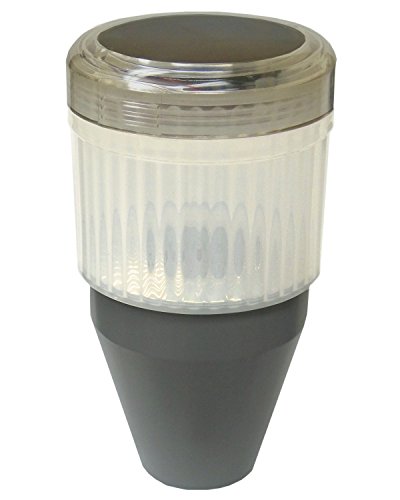
Surface-mounted dock lights utilize bright white LEDs to transform your waterfront area with comprehensive illumination. These fixtures provide maximum coverage with their wide beam angles, highlighting potential hazards around your dock or marina. You’ll find these lights essential for nighttime safety, creating well-lit pathways and transition areas between land and water.
Portable Handheld Waterproof LED Searchlights
The ST1000 Dive Light delivers impressive performance with its concentrated 12-degree beam that penetrates deep into dark water. This versatile searchlight features multiple power settings (100%, 50%, and SOS mode) for different visibility needs and emergency situations. You’ll find its durable construction and powerful light projection ideal for exploring underwater structures or locating objects in low-visibility conditions.
This durable dive light provides powerful, bright illumination underwater. Features include a glove-friendly push-button, double O-ring seals for watertight integrity, and an over-pressure valve for safety.

LED Light Bars for Boats and Marine Vessels
BlackOakLED Marine Light Bars provide customizable illumination options with various colors designed specifically for water environments. These rugged fixtures withstand harsh marine conditions while offering powerful forward visibility for navigation. You can choose white light for general visibility or specialized blue/green options for fishing applications that won’t spook nearby marine life.
Submersible Fishing Lights for Attracting Marine Life
Attract fish, squid, and prawns with this 14W, 1300-lumen submersible LED fishing light. Its 360° design and green LEDs effectively lure marine life while offering 50,000 hours of use.

Submersible LED lights in blue or green wavelengths effectively attract fish and enhance your nighttime fishing success. These specialized underwater lights create concentrated illumination zones that draw in baitfish and larger predatory species. You’ll notice increased activity around your boat or dock when these lights are deployed, significantly improving your catch rate during night fishing sessions.
LED Headlamps for Hands-Free Illumination
Waterproof LED headlamps provide essential hands-free lighting for night fishing, boat maintenance, or shoreline activities. These wearable lights feature adjustable beam angles and multiple brightness settings to customize your field of vision. You’ll appreciate their secure mounting systems and waterproof construction that withstand splashes, rain, and occasional submersion.
Solar-Powered Waterproof Floodlights for Shorelines
This Philips solar security light provides 1200 lumens of bright light with a motion-activated PIR sensor. Its three adjustable heads and IP65 weatherproof rating make it ideal for outdoor use in any weather.

Solar-powered LED floodlights with IP68 protection deliver reliable, maintenance-free illumination for shoreline areas. These environmental-friendly fixtures harness daylight to power nighttime operation without requiring electrical connections or battery replacements. You’ll benefit from their wide coverage area that transforms dark shorelines into safely navigable spaces while highlighting potential water hazards.
Key Features to Look for in Water-Ready LED Lights
When shopping for LED lights to improve visibility in dark water, certain features can make the difference between clear viewing and murky frustration. Here’s what you should prioritize:
Brightness and Beam Distance Capabilities
Look for lights with high lumen output—at least 2000+ lumens for murky conditions. The beam angle matters significantly; wider angles (120-degrees like Bigblue lights) provide even illumination across larger areas, while narrower beams offer concentrated distance visibility. Color temperature around 6500K delivers neutral white light that penetrates water effectively without distorting natural colors or creating disorienting bright spots.
Battery Life and Power Source Options
Rechargeable lithium-ion batteries offer the best balance of power and environmental friendliness for underwater lights. Seek options with multiple power settings to extend runtime when full brightness isn’t needed—lights like the ST1000 that maintain 75% output after an hour provide reliability during longer dives or fishing sessions. Consider models that display battery status clearly so you’re never caught by surprise when illumination starts fading.
Waterproof Ratings Explained
The IP68 rating is your minimum standard for underwater applications—this certification ensures complete dust protection and water immersion beyond 1 meter. For diving lights, check the depth rating specifically (measured in feet or meters) as some consumer “waterproof” lights are only splash-resistant. Quality underwater lights like the ST1000 offer depth ratings to 656 feet, ensuring performance even during deep dives.
Durability and Construction Quality
Marine-grade materials resist corrosion from saltwater exposure—look for anodized aluminum or high-grade polymers designed specifically for underwater use. Secure mounting options prevent lights from detaching during turbulence; one-inch ball mounts (like those on Bigblue lights) offer versatile attachment to various equipment. Quality lenses made from tempered glass or impact-resistant polycarbonate will withstand accidental drops and bumps that inevitably occur during water activities.
Installation Tips for Different Water Environments
When installing LED lights for dark water visibility, proper placement and technique can dramatically improve your results. Different water conditions require specific approaches to maximize illumination while minimizing issues like glare and backscatter.
Clear Water Environments
In clear water, you’ll achieve optimal visibility by mounting lights closer to your camera or observation point. This proximity works well because clear water contains fewer suspended particles that could reflect light back toward you. Position your lights at a 45-degree angle to illuminate the target area without creating excessive glare on the water’s surface. For maximum effectiveness, use lights with adjustable brightness settings to fine-tune illumination based on water clarity and depth.
Murky Water Considerations
Murky or silty water requires a different approach to combat backscatter. Mount your lights farther away from your camera or observation point using extension arms or brackets. This separation reduces the amount of light reflecting off suspended particles back into your field of view. The ST1000 Dive Light works particularly well in these conditions due to its focused 12-degree beam that cuts through murky water effectively. For stationary applications, position multiple lights at different angles to create depth and dimension in the illuminated area.
Saltwater vs. Freshwater Considerations
Saltwater demands corrosion-resistant materials for your LED lighting. Choose fixtures made from marine-grade stainless steel, titanium, or high-quality sealed plastics to prevent deterioration. Saltwater installations require more frequent maintenance—inspect O-rings and seals monthly and rinse fixtures with freshwater after each use to remove salt deposits. Freshwater setups, while less corrosive, still benefit from waterproof housings with IP68 ratings to protect against long-term submersion.
Mounting Options and Techniques
For maximum versatility, use adjustable mounting systems that allow you to reposition lights as water conditions change. Handheld options like the ST1000 offer one-handed operation ideal for divers exploring different areas. Fixed installations benefit from quick-release brackets that allow for easy removal during maintenance. For boat-mounted systems, use vibration-dampening mounts to prevent fixture damage and beam scatter during movement. Always secure cables with proper strain relief to prevent water infiltration at connection points.
Maintenance and Care for Underwater LED Lighting
Battery Care
Proper battery maintenance significantly extends your underwater LED lights‘ lifespan. After each dive, remove batteries from lights that won’t be used for several weeks to prevent corrosion. Recharge lithium-ion batteries before they’re completely drained—aim to recharge when they reach about 20% capacity. Store batteries at room temperature in a dry place, as extreme temperatures can permanently damage their performance.
Cleaning
Rinse your LED lights with fresh water immediately after each use, especially after saltwater exposure. Remove salt crystals and debris that can corrode components by soaking the lights for 15-20 minutes in lukewarm water. Use a soft-bristled toothbrush to gently clean around buttons and seals. Avoid harsh chemicals and abrasive cleaners that can damage lens coatings or waterproof seals.
Storage
Store your underwater lights in a cool, dry place away from direct sunlight to prevent housing degradation. Loosen O-rings slightly during long-term storage to prevent compression damage that leads to leaks. Keep lights with their battery compartments partially open to allow any trapped moisture to evaporate. Use silica gel packets in your storage case to absorb residual moisture that could otherwise cause internal corrosion.
Inspection
Regularly check O-rings and seals for cracks, tears, or debris before every dive. Apply a thin layer of silicone grease to O-rings every 3-5 dives to maintain their flexibility and sealing capability. Test your lights in shallow water or a bathtub before deep dives to verify watertight integrity. Replace any damaged seals immediately—even minor imperfections can cause catastrophic flooding.
Mounting and Handling
Secure mounting points require regular inspection for corrosion or stress fractures. Tighten all mounting brackets before each use, but avoid over-tightening that can strip threads or crack plastic components. Use marine-grade lanyards or tethers as backup security for expensive lights during dives. Create a pre-dive checklist that includes testing light functionality and checking all mounting hardware for secure attachment.
Cost Analysis: Budget vs. Premium LED Water Lights
Premium Light Investment
Premium underwater LED lights like the Bigblue Video/Photo Lights ($200-$500) deliver exceptional performance with their 120-degree beam angles and 2900 lumens output. You’ll appreciate their 6500K color temperature that mimics natural daylight for optimal visibility in dark waters. The ST1000 Dive Light ($300-$600) justifies its higher price point with penetrating 12-degree beam angles, multiple power settings including SOS mode, and impressive depth ratings of 656 feet. These high-end options feature rechargeable lithium-ion batteries and versatile mounting systems that serious underwater enthusiasts consider essential for consistent reliability.
Budget-Friendly Alternatives
If you’re watching your spending, budget options like the Orca Torch D530 ($50-$200) offer practical solutions for improved underwater visibility without breaking the bank. These lights provide adequate illumination for recreational use and can be easily mounted on underwater equipment. Though they don’t match the lumen output or beam customization of premium models, they deliver sufficient performance for casual night fishing, dock illumination, or recreational diving. Budget lights typically offer simpler mounting options and fewer advanced features but remain waterproof and durable enough for regular use.
Value Considerations
Your decision between budget and premium lights should factor in your specific water activities and frequency of use. Premium lights deliver superior value for professional underwater photography, technical diving, or consistent nighttime water operations. For occasional use or backup lighting, budget options provide excellent dollar-to-lumen value. Consider that premium lights often include longer warranties, better customer support, and more durable construction that extends their useful life—potentially offering better long-term value despite higher initial costs.
Conclusion: Illuminating Your Underwater Adventures
Choosing the right LED lights for dark water visibility transforms your underwater activities from challenging to enjoyable. Armed with this guide you’re now equipped to select lighting that matches your specific needs whether for diving fishing or boating.
Remember that proper placement maintenance and care will significantly extend the life of your investment. The perfect balance between brightness battery life and durability ensures you’ll have reliable illumination when you need it most.
Whether you opt for premium models with advanced features or budget-friendly alternatives your safety and visibility underwater will dramatically improve. Take the plunge and enhance your dark water experiences with LED technology that turns murky waters into clear navigable environments.
Frequently Asked Questions
What are the best LED lights for dark water activities?
The top LED lights for dark water activities include Bigblue Video/Photo Lights, Surface-Mounted Dock Lights, ST1000 Dive Light, BlackOakLED Marine Light Bars, Submersible Fishing Lights, Waterproof LED Headlamps, and Solar-Powered Floodlights. Each option serves different purposes, from underwater photography to fishing and navigation, with varying features suited to specific water activities.
How many lumens do I need for underwater visibility?
For effective underwater visibility, choose LED lights with at least 2000 lumens. Higher lumen outputs provide better visibility in murky waters and at greater depths. The appropriate brightness also depends on your specific activity – photography and night diving typically require more lumens than casual fishing or dock illumination.
What waterproof rating is necessary for underwater LED lights?
Enhance your outdoor space with these submersible LED lights featuring 16 colors, adjustable brightness, and a timer function. Waterproof and versatile, they can be installed underwater or as landscape lighting for gardens, ponds, and more.

Look for a minimum IP68 rating for underwater LED lights. This rating ensures the light is completely dust-tight and protected against long-term immersion in water. For deep diving applications, consider lights with depth ratings specified in meters (such as waterproof to 100m), which provide more specific information about pressure resistance capabilities.
How do I install LED lights for murky water vs. clear water?
In murky water, position lights farther from your observation point to reduce backscatter and mount them at wider angles. For clear water, lights can be mounted closer at approximately a 45-degree angle for optimal illumination. Regardless of water clarity, ensure secure mounting and proper cable management to prevent water infiltration and equipment damage.
How long do underwater LED light batteries typically last?
Battery life for underwater LED lights typically ranges from 1-10 hours depending on brightness settings and battery capacity. Premium models with rechargeable lithium-ion batteries offer longer runtimes of 4+ hours at high settings. Many modern lights feature multiple power modes that allow users to extend battery life by reducing brightness when maximum output isn’t necessary.
Are there differences between saltwater and freshwater LED light installation?
Yes, saltwater installations require corrosion-resistant materials like marine-grade stainless steel or specialized anodized aluminum to prevent deterioration. While freshwater is less corrosive, both environments need proper waterproof housings with secure seals. Saltwater setups may also need more frequent maintenance to remove salt buildup that can damage connections and reduce light efficiency.
How should I clean and maintain my underwater LED lights?
Rinse lights with fresh water after each use, especially after saltwater exposure. For thorough cleaning, soak in warm water to remove salt and debris, but avoid harsh chemicals. Regularly inspect O-rings and seals for damage, applying silicone grease when needed. Store in a cool, dry place with batteries removed and O-rings slightly loosened to prevent compression damage.
Are premium LED water lights worth the higher cost?
Premium LED water lights justify their higher cost through superior brightness, longer battery life, better durability, and advanced features like multiple color options and power settings. For frequent users or professionals, the enhanced performance and reliability make premium lights a better long-term investment. Occasional users may find budget options sufficient for basic illumination needs.
What color LED light works best for fishing?
Green and blue LED lights are most effective for fishing as they penetrate water more effectively and attract more baitfish. Green light typically works best in freshwater, while blue light excels in saltwater environments. Some advanced fishing lights offer adjustable colors, allowing anglers to switch between colors based on water conditions and target species.
Can LED lights disturb marine life?
Yes, LED lights can disturb marine life if used improperly. To minimize impact, use red or amber light modes when available, as these wavelengths are less disruptive to aquatic species. Avoid shining bright lights directly at marine creatures for extended periods, and consider using lights with adjustable brightness to use only the minimum illumination necessary for your activity.